ORLANDO, FLORIDA — They will see each other again in 72 hours. Same stadium. Same opponent. Different stakes. And for Orlando City SC, the same set of unanswered questions that have followed them all season.
Saturday night at Inter&Co Stadium ended 1-1 against Atlanta United FC, a result that flattered the home side and left a sellout crowd searching for answers. Ajani Fortune's 86th-minute strike erased Griffin Dorsey's first-half opener, and the Lions walked off the pitch with one point when they needed three — and probably should not have had either, given how the night unfolded.
The draw lifts Orlando to 14 points (4-2-8) and keeps them 12th in the Eastern Conference. Atlanta sits 14th on 11. Neither club is climbing. Neither got the result they came looking for. And the table tells only the surface story.
The deeper number — the one that has to change before anything else does — is minus-17. That is Orlando's goal differential, and it is the worst mark in the Eastern Conference. Worse than Atlanta. Worse than Philadelphia. Worse than a Columbus side sitting beneath them in the standings. You do not climb out of 12th place by drawing 1-1 at home against the team in 14th. You climb by stopping the bleeding.
The bleeding on Saturday was constant.
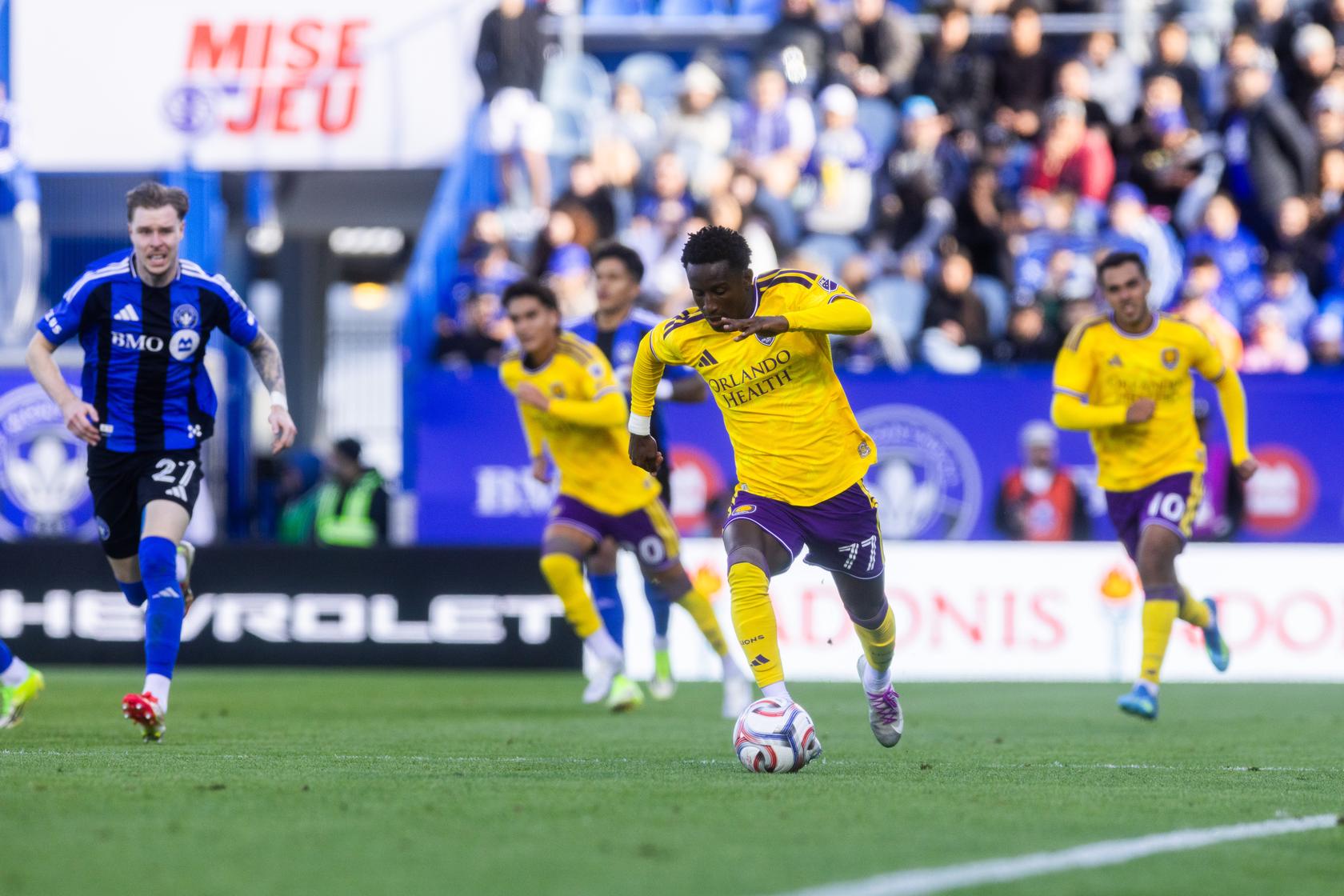
Dorsey gave the Lions their lead in the 18th minute, finishing from close range after Iván Angulo carved open the visiting back line with a sharp cutback. It was the perfect start — clean, clinical, the kind of goal that should set the tone for an evening of control. Instead, it became the only goal Orlando would manage on a night when Atlanta took over the match in every measurable category.
The visitors out-shot the Lions 21 to 7. They took 10 corners to Orlando's 4. They held 54.7 percent of possession. They peppered Maxime Crépeau's goal with attempts from every angle, and only the Orlando goalkeeper's heroics — five saves, several of them outstanding — kept the lead intact for as long as it lasted. A diving stop to deny Saba Lobjanidze in the first half stood out as a moment of pure individual brilliance, the kind of save that wins matches single-handedly. On this night, it only delayed the inevitable.
This is the defensive question that defines Orlando's season. A team cannot allow 21 shots at home against a club sitting below them in the table and call it a competitive performance. The back line was stretched, overrun in transition, and increasingly reliant on Crépeau to clean up the mess. Atlanta's pressure was relentless from the moment they conceded, and Orlando never found a way to slow it down.
Both managers reached for their benches midway through the second half. Atlanta went big in the 68th minute, introducing Emmanuel Latte Lath, Matt Edwards, and Stian Gregersen in a triple change that injected fresh legs and renewed urgency. Orlando responded a minute later with Duncan McGuire and Luis Otávio. The match cracked open. Chances arrived at both ends. Most of them belonged to the visitors.
Fortune's equalizer was inevitable in the way these things often are. Edwards, one of the substitutes who had changed the rhythm of the match, drove forward and picked out his teammate in the box. Fortune took one touch and rifled a right-footed shot into the top left corner — a finish of real quality, struck with the composure of a player who believed it was coming. Crépeau, booked three minutes earlier in a moment of visible frustration, had no answer this time. The away end erupted. The home crowd fell silent. Orlando's lead was gone with four minutes left to play.
The cruel twist is that Saturday's encounter was not a one-off. Orlando hosts Atlanta United again Tuesday night at Inter&Co Stadium, this time in the U.S. Open Cup. Three days. Same field. Same opponent. Different competition, different stakes, but the same questions that need answering. Can Orlando hold a lead? Can the defense survive a sustained period of pressure without their goalkeeper bailing them out? Can they generate enough chances of their own to make the back line's job easier?
There is context that makes this draw sting more than it should. The Lions came into Saturday off a thrilling 4-3 win over Philadelphia Union on May 13 — a wild, end-to-end victory that suggested this team had rediscovered its attacking edge. Martín Ojeda scored twice in that one, including a 90th-minute winner and a 19th-minute penalty. Dorsey and McGuire both got on the score sheet. The performance was imperfect but full of conviction. Saturday's display, against an inferior opponent, was the opposite — short on conviction, long on individual moments that kept the Lions afloat.
There is also reason to keep believing. Antoine Griezmann is coming. The arrival of a player of that pedigree — a World Cup winner, one of the most decorated attacking midfielders of his generation — will transform what this Orlando attack looks like. Defenders will think twice about pushing forward. The space he creates for teammates will be measurable. The standings reflect a playoff race that is wide open below the top four; fifth place currently sits at 18 points, just four clear of Orlando, and there is significant season remaining to make up that ground.
But the most important truth of the night sits beneath the optimism. Griezmann will not solve a defense that concedes 21 shots at home. He will not stop opposing wingers from running freely down the flanks. He will not save the goal differential from spiraling further into the red. That work has to be done by the defenders already in the building. The arriving star deserves a team that can hold leads. The arriving star deserves a back line ready to play alongside him, not one waiting to be rescued by him.
That is where Orlando finds itself with the calendar turning toward summer. The attacking pieces are there. The goalkeeper is performing at the level he was brought in for. The fixtures keep coming. What remains is the missing ingredient — defensive solidity, the kind that turns 1-1 draws into 1-0 wins and 21 shots conceded into 11.
Tuesday gives the Lions an immediate chance to address it. Three days to think. Same opponent to face. The schedule does Orlando no favors, but it offers no hiding place either. A U.S. Open Cup quarterfinal at home against a club they could not put away in the league is precisely the kind of fixture that defines a season's character.
The Lions have the rematch they probably did not want. They have the platform, the supporters, and the home field. What they need now is the defensive discipline that has eluded them, the killer instinct that abandoned them in the final minutes, and the belief that the work being done now — quietly, in training, in meetings, in the unglamorous corners of preparation — can still turn this season into something memorable.
Three days. Same opponent. The clock is already running.