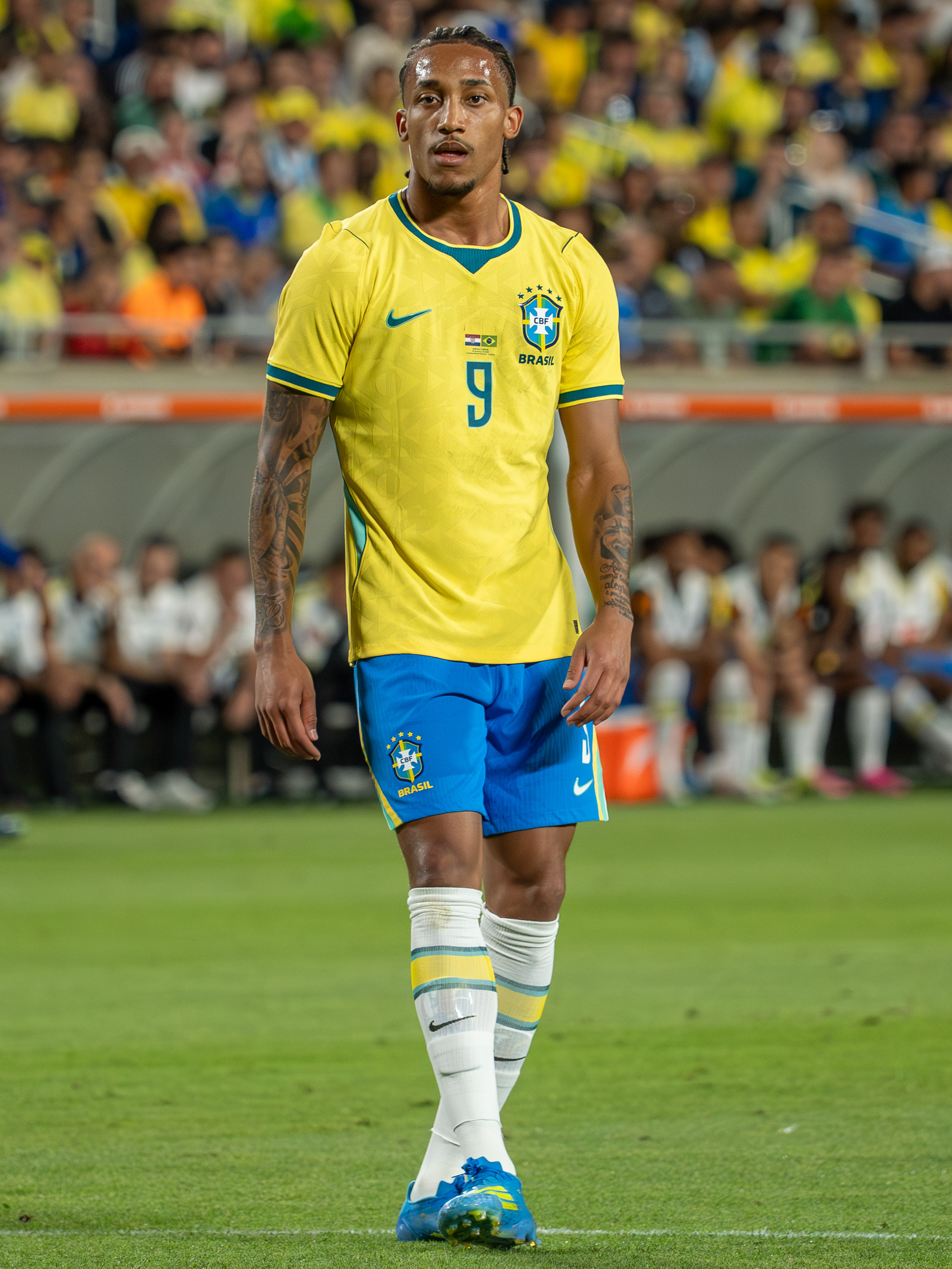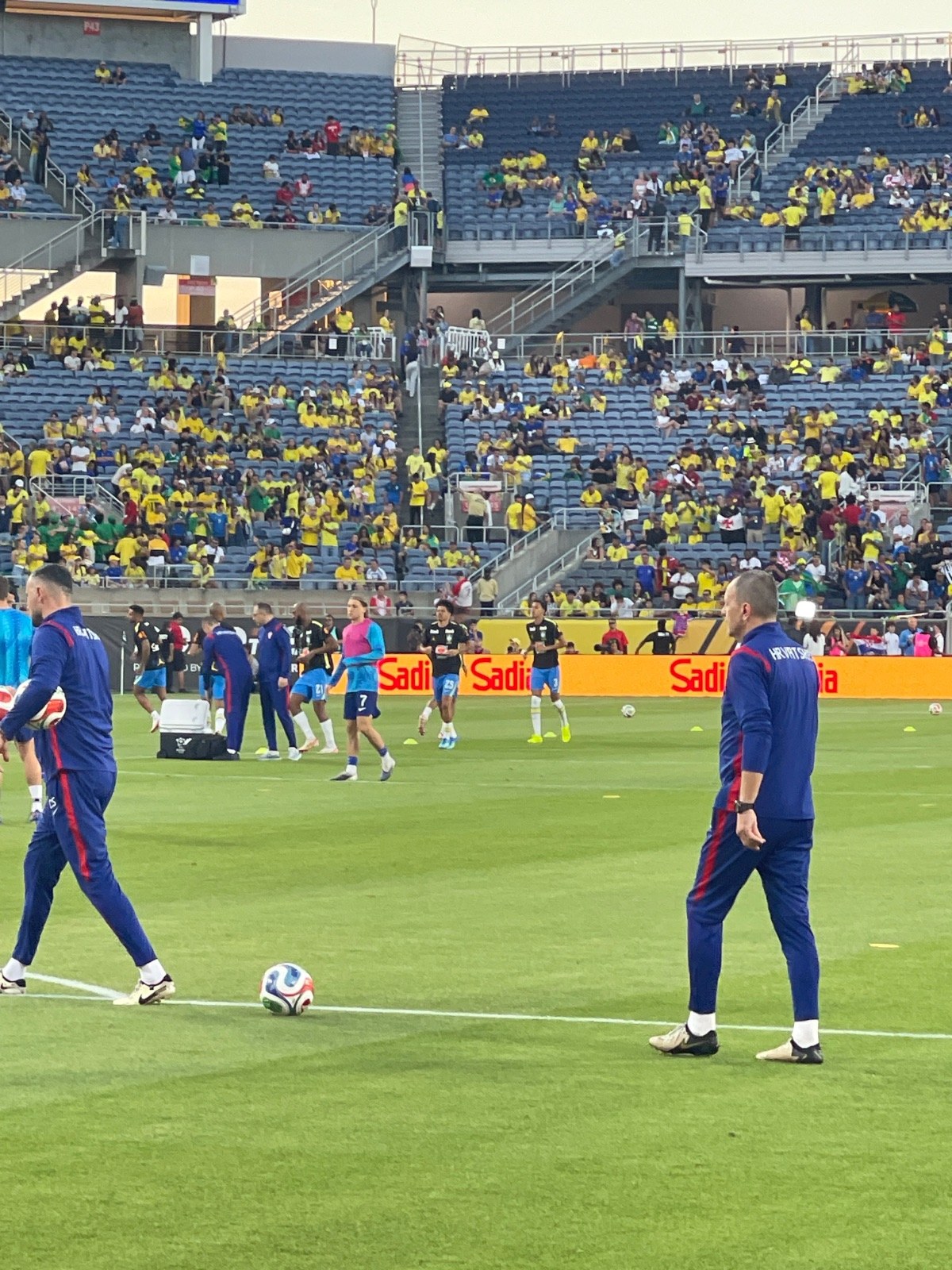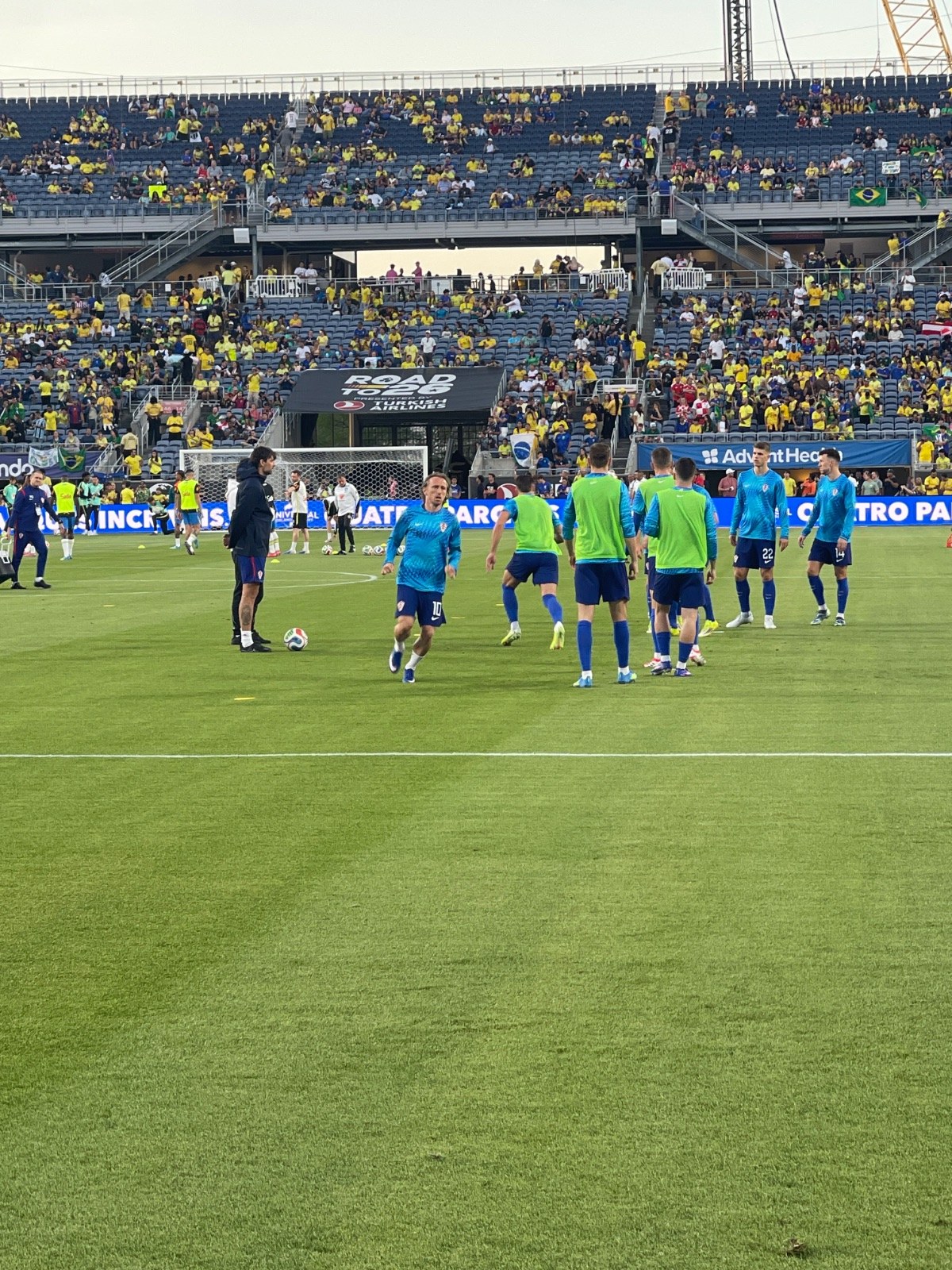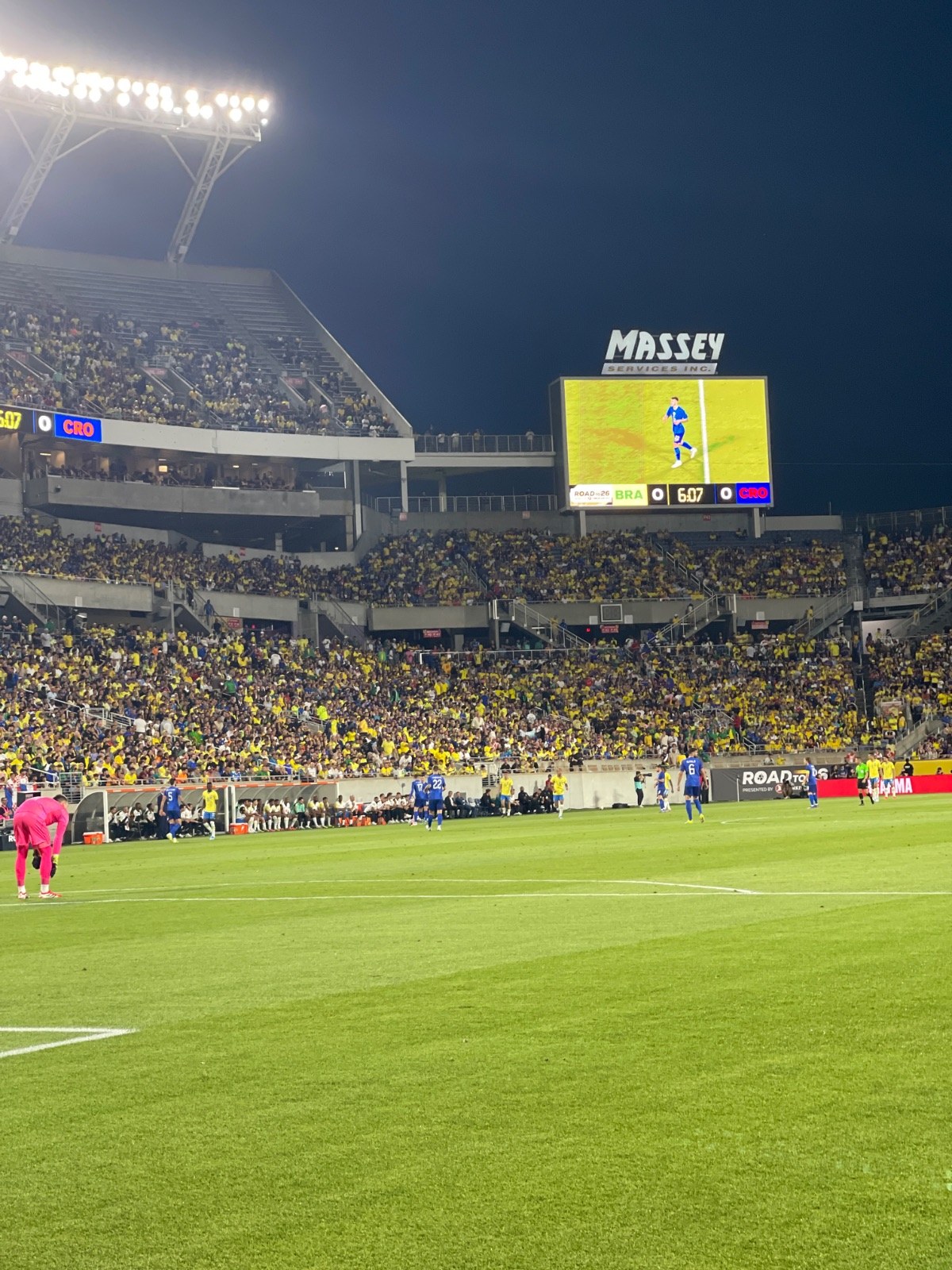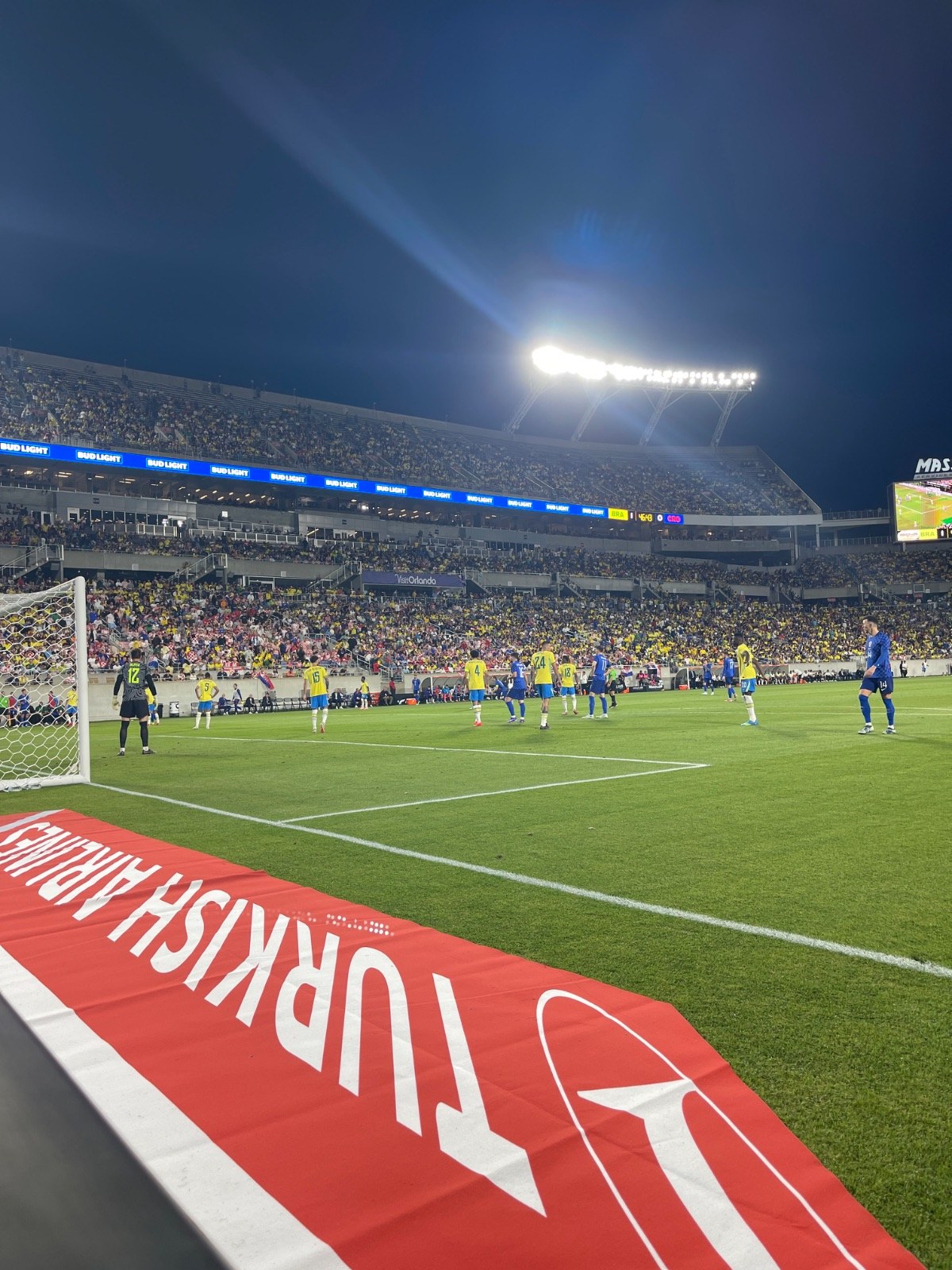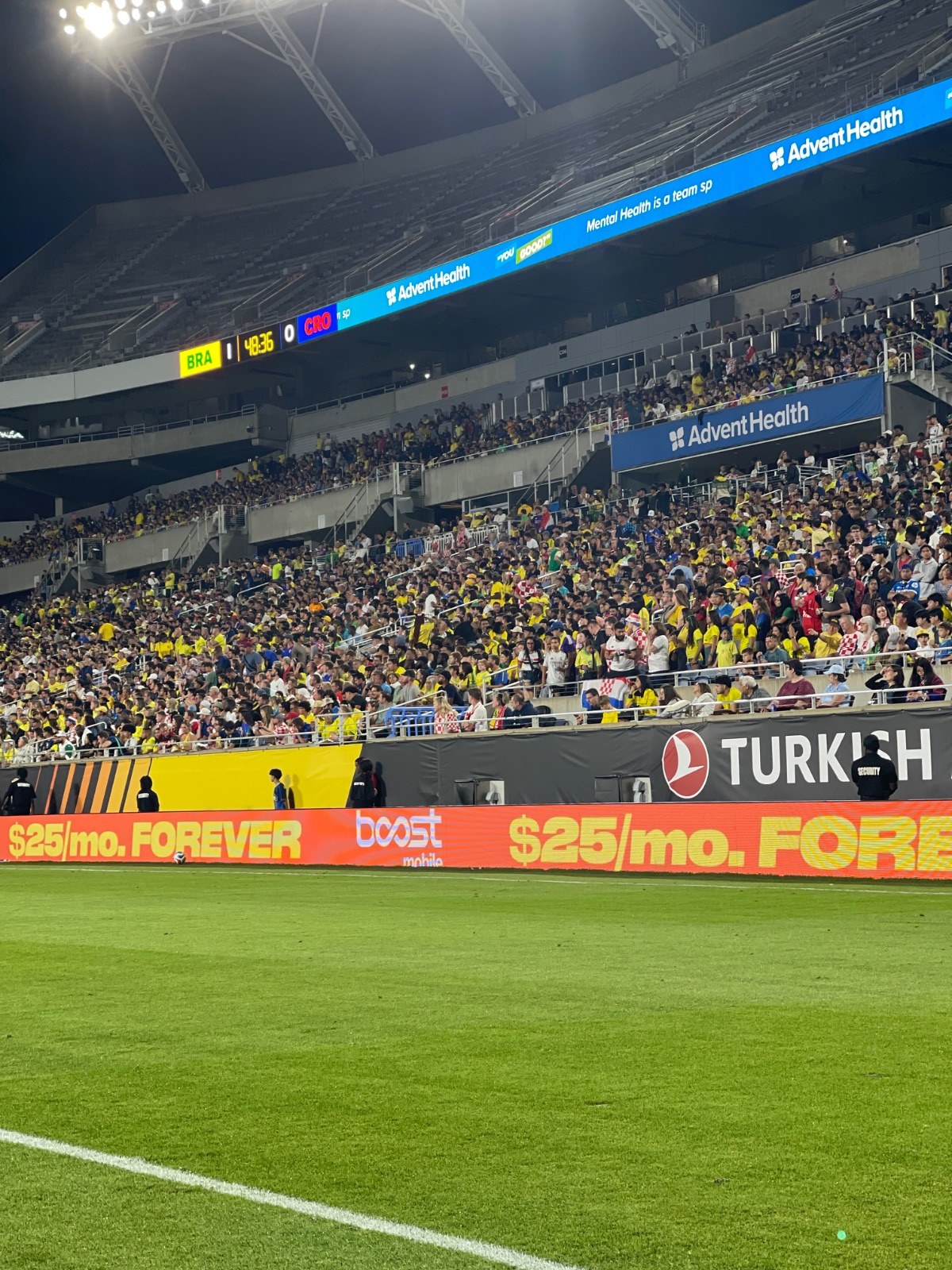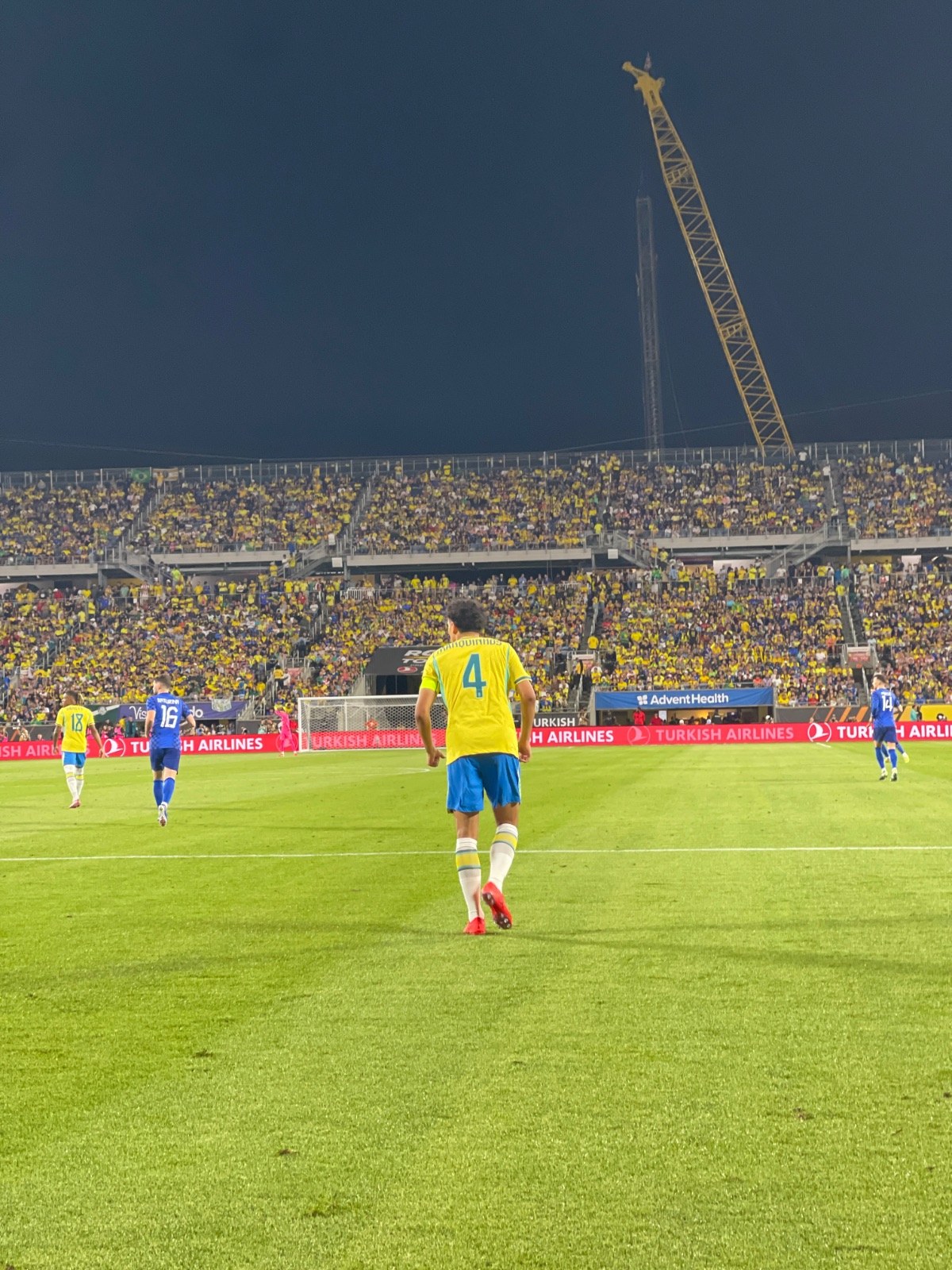

ORLANDO — There is a moment in every match where the story changes. Not gradually, not through the slow accumulation of possession and half-chances, but in a single sequence that rewrites everything that came before it. On Tuesday night at Camping World Stadium, that moment arrived in the 88th minute, when Igor Thiago stood over a penalty with Brazil level at 1-1 against a Croatia side that had all the momentum, all the belief, and all the reason in the world to think they were about to steal a result.
He buried it. Bottom left corner. Right foot. No hesitation.
Four minutes later, Gabriel Martinelli killed the game entirely. Endrick — 19 years old, fearless, and playing like a kid who does not yet understand the concept of pressure — slid a through ball behind Croatia's exhausted backline, and Martinelli ran onto it with the kind of composure that belies his status as a second-half substitute. Left foot, center of the goal, 3-1, and Camping World Stadium shook with the sound of a fan base that had spent the previous four minutes holding its collective breath.
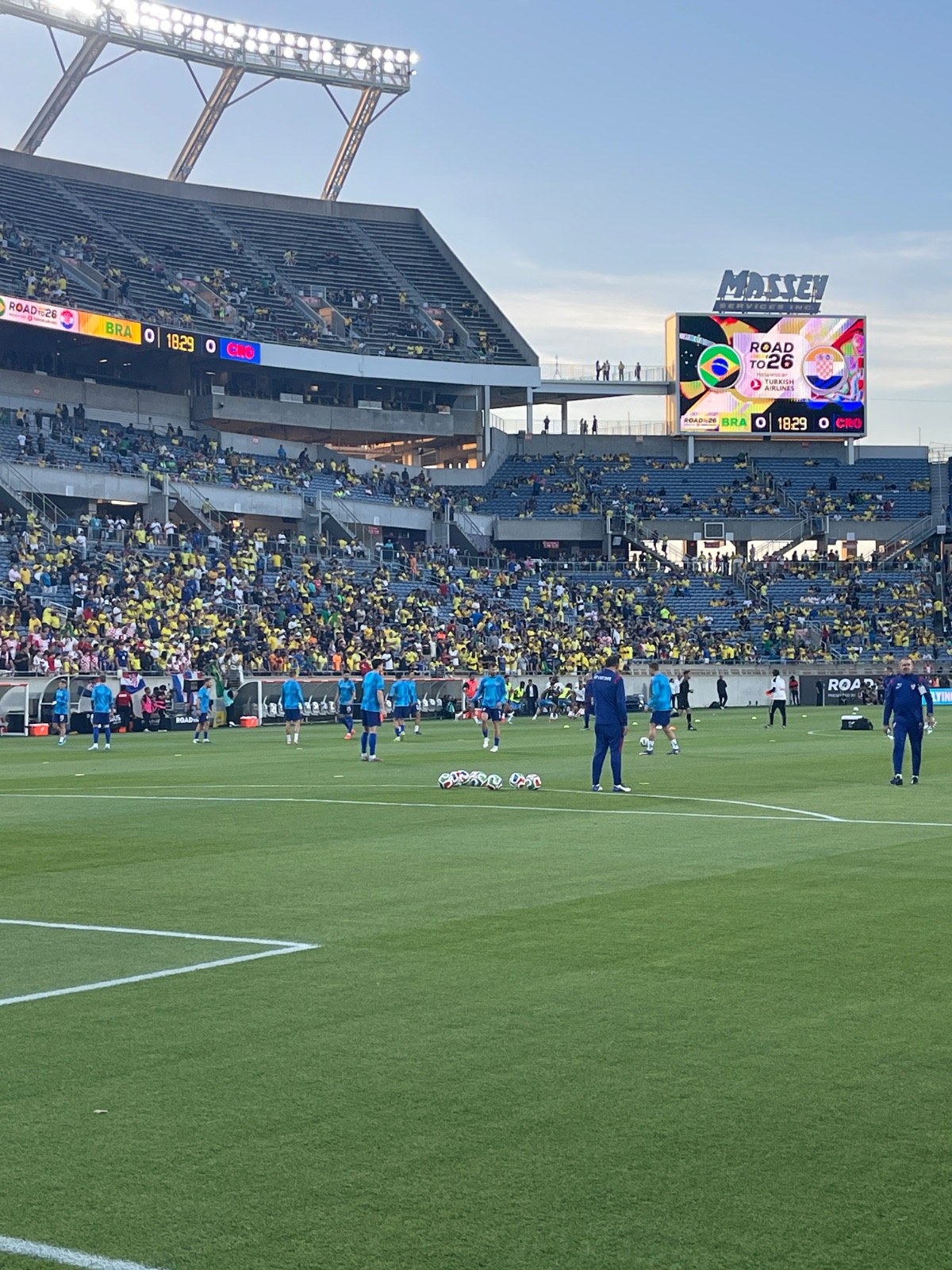
This was a Road to 26 friendly, one of a series of high-profile international matches staged across the United States in the final months before the 2026 FIFA World Cup kicks off this summer. Brazil against Croatia. The Seleção against the Vatreni. A rematch of the 2022 World Cup quarterfinal in Qatar, where Croatia eliminated Brazil on penalties in one of the most heartbreaking nights in recent Brazilian football memory. The stakes were unofficial. The intensity was not.
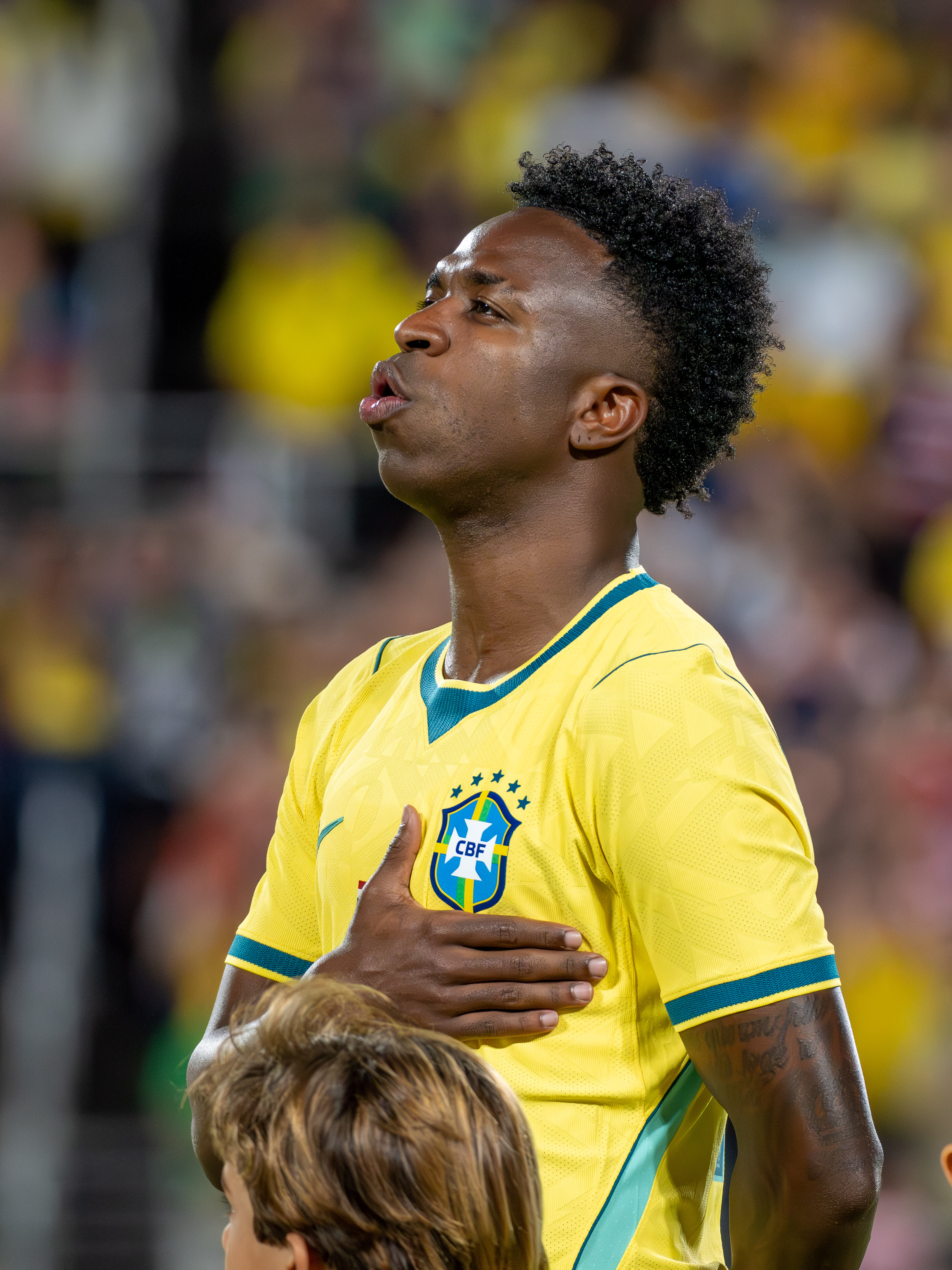
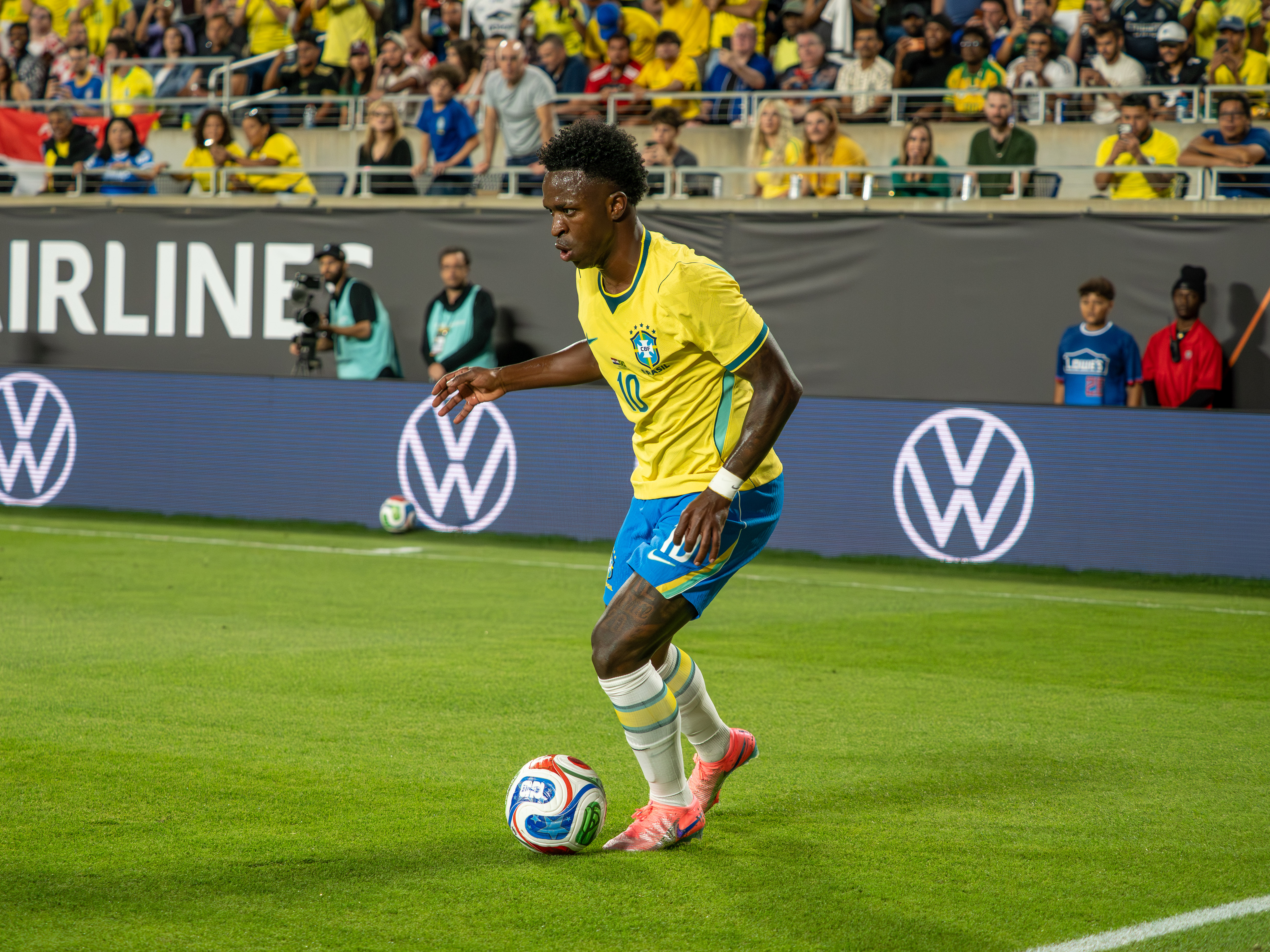
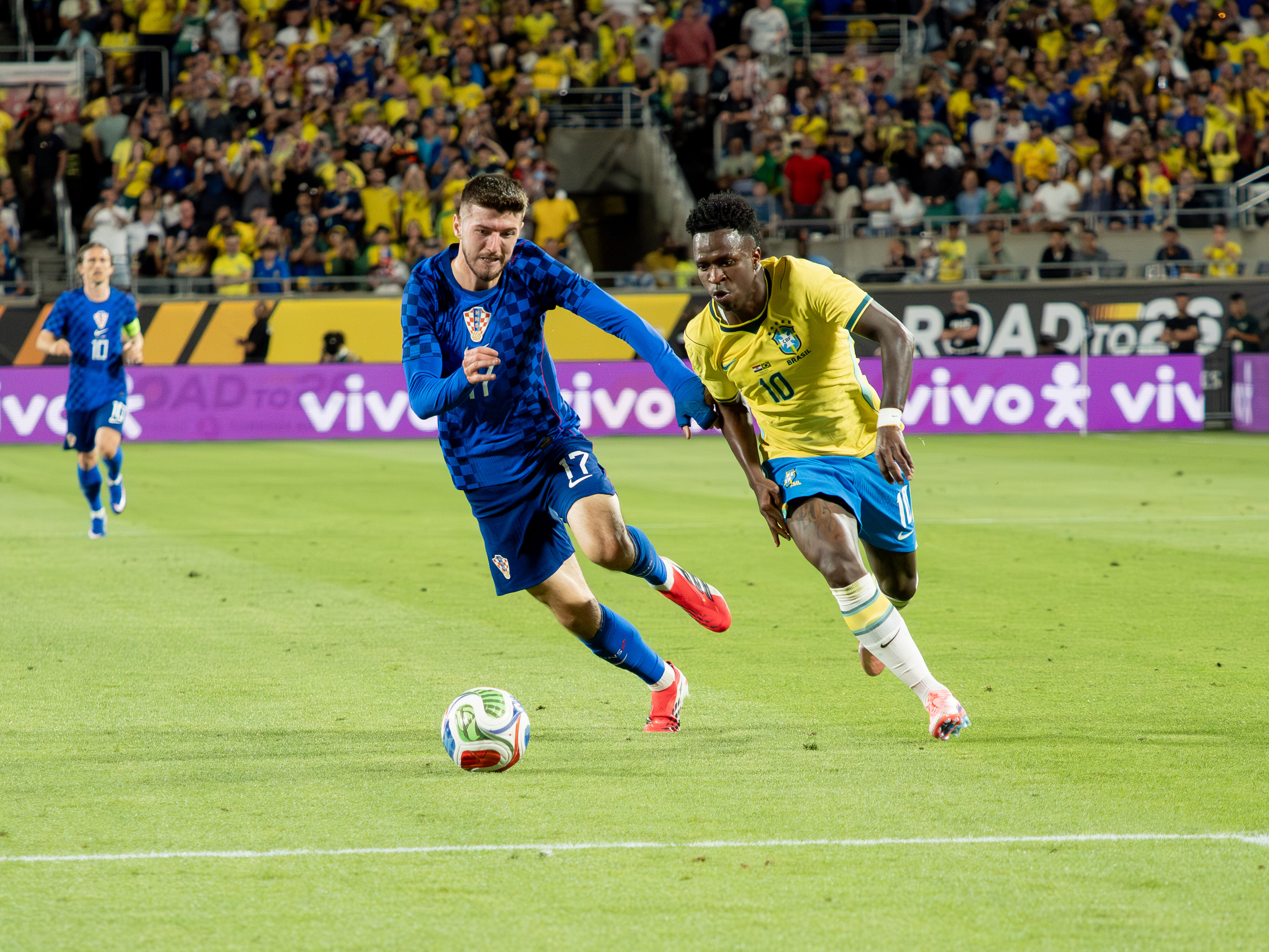
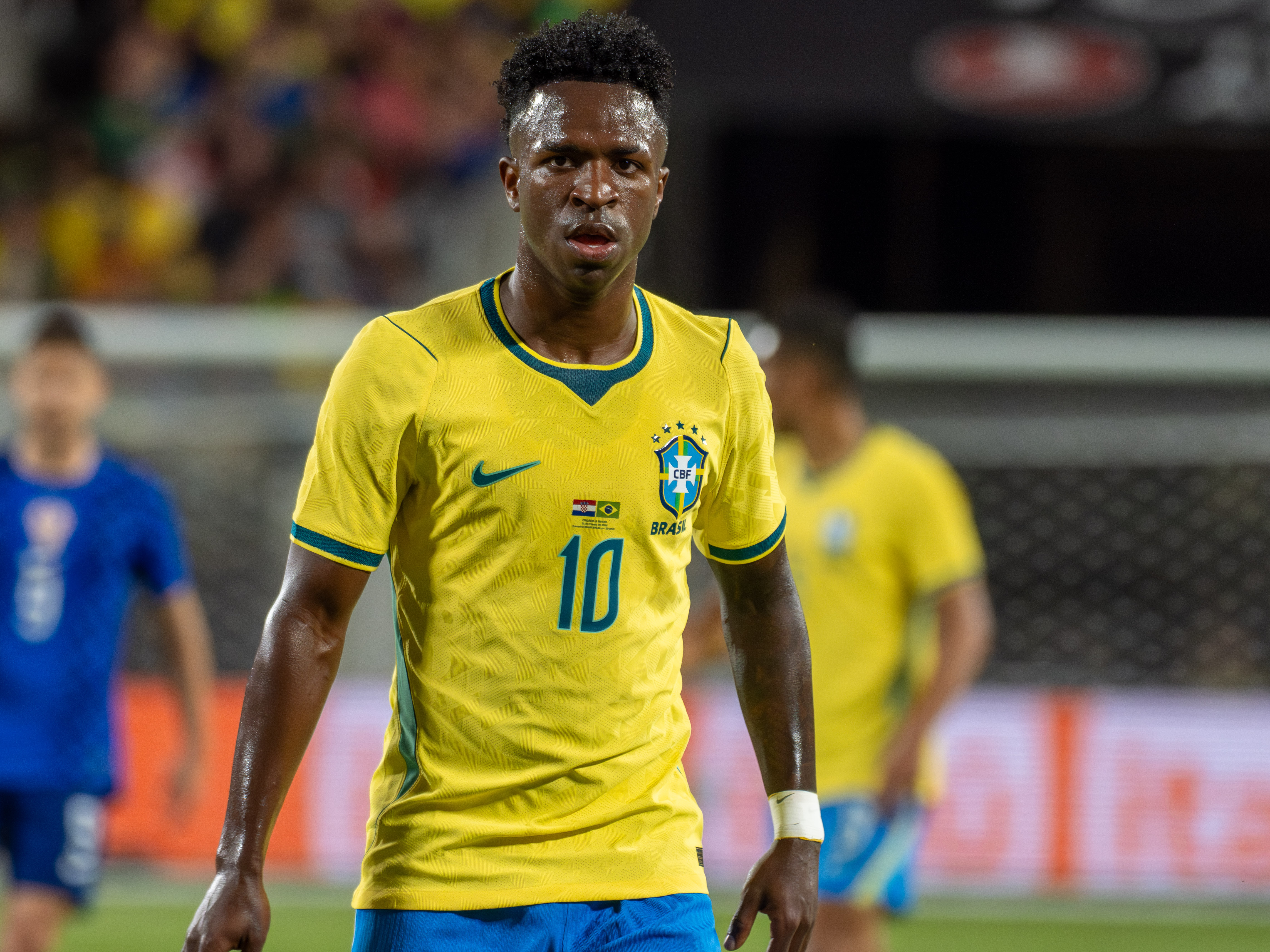
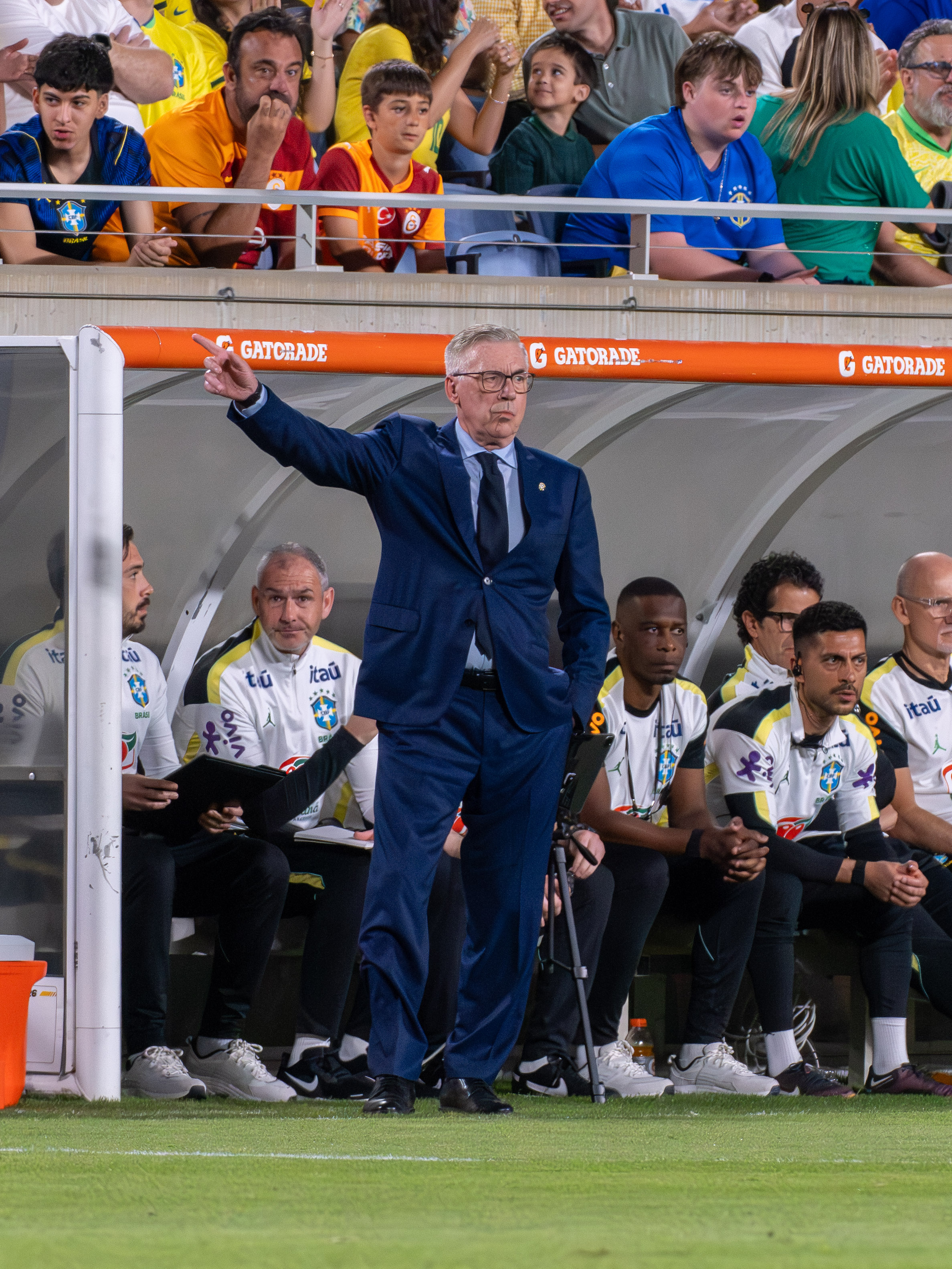
Carlo Ancelotti, the Italian who traded the Santiago Bernabéu for the Brazilian national team last May, set up his side in a 4-3-3 with Vinícius Júnior, João Pedro and Matheus Cunha leading the attack. Vinícius was the name on everyone's lips before kickoff and he justified the billing from the first whistle. The Real Madrid forward is a lightning rod — adored by the Brazilian contingent that packed the stadium, despised by opponents who cannot handle him, and incapable of playing a quiet 60 minutes of football. He ran at defenders, drew fouls, created chaos, and ultimately manufactured the opening goal.
It came in the second minute of first-half stoppage time. Vinícius collected the ball on a fast break and drove forward with that distinctive stride — long, loping, accelerating when defenders think he is about to slow down. He found Danilo arriving from midfield, and Danilo did the rest, tucking a left-footed shot into the top left corner to send Brazil into the break with a deserved lead.
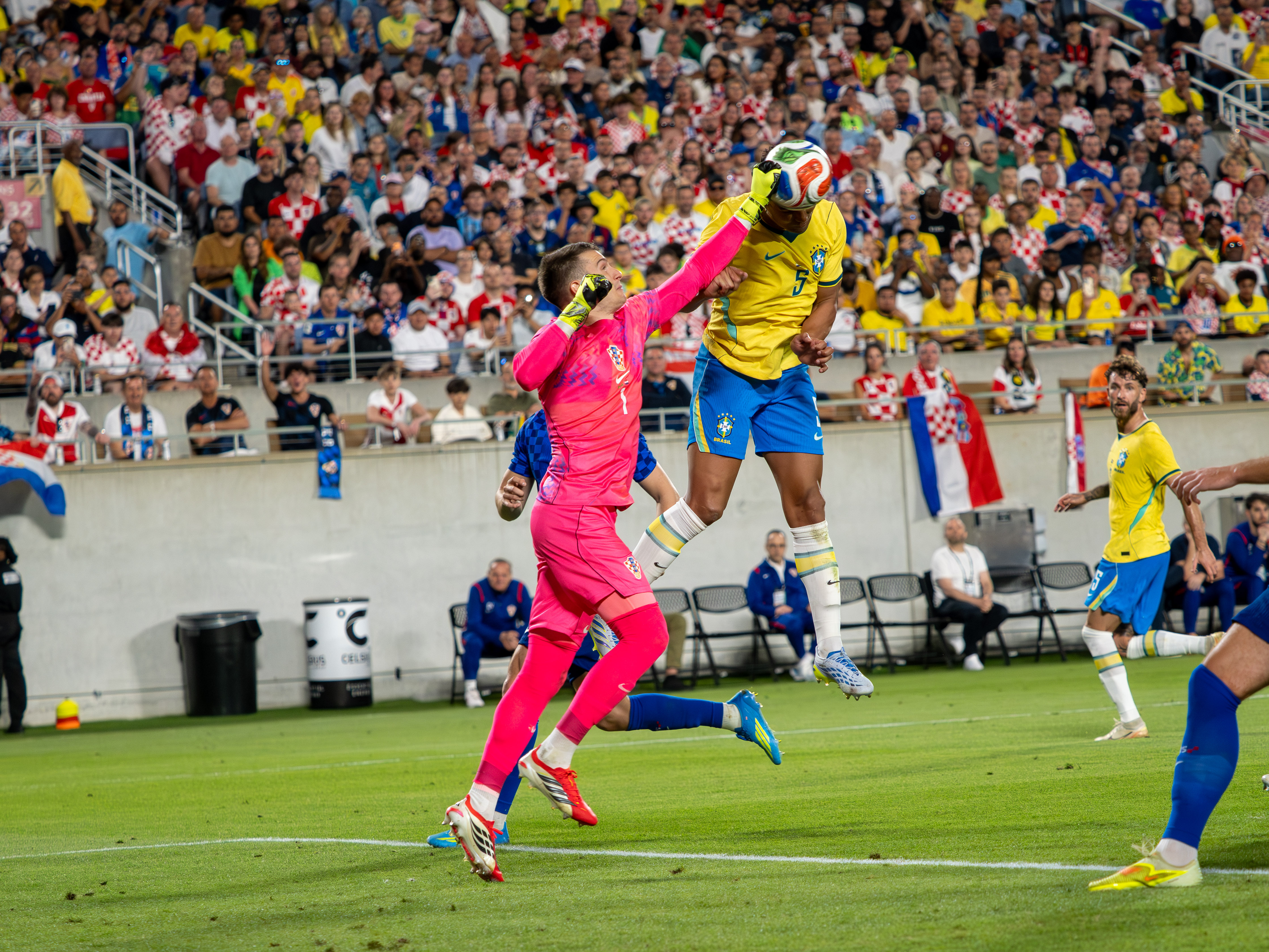
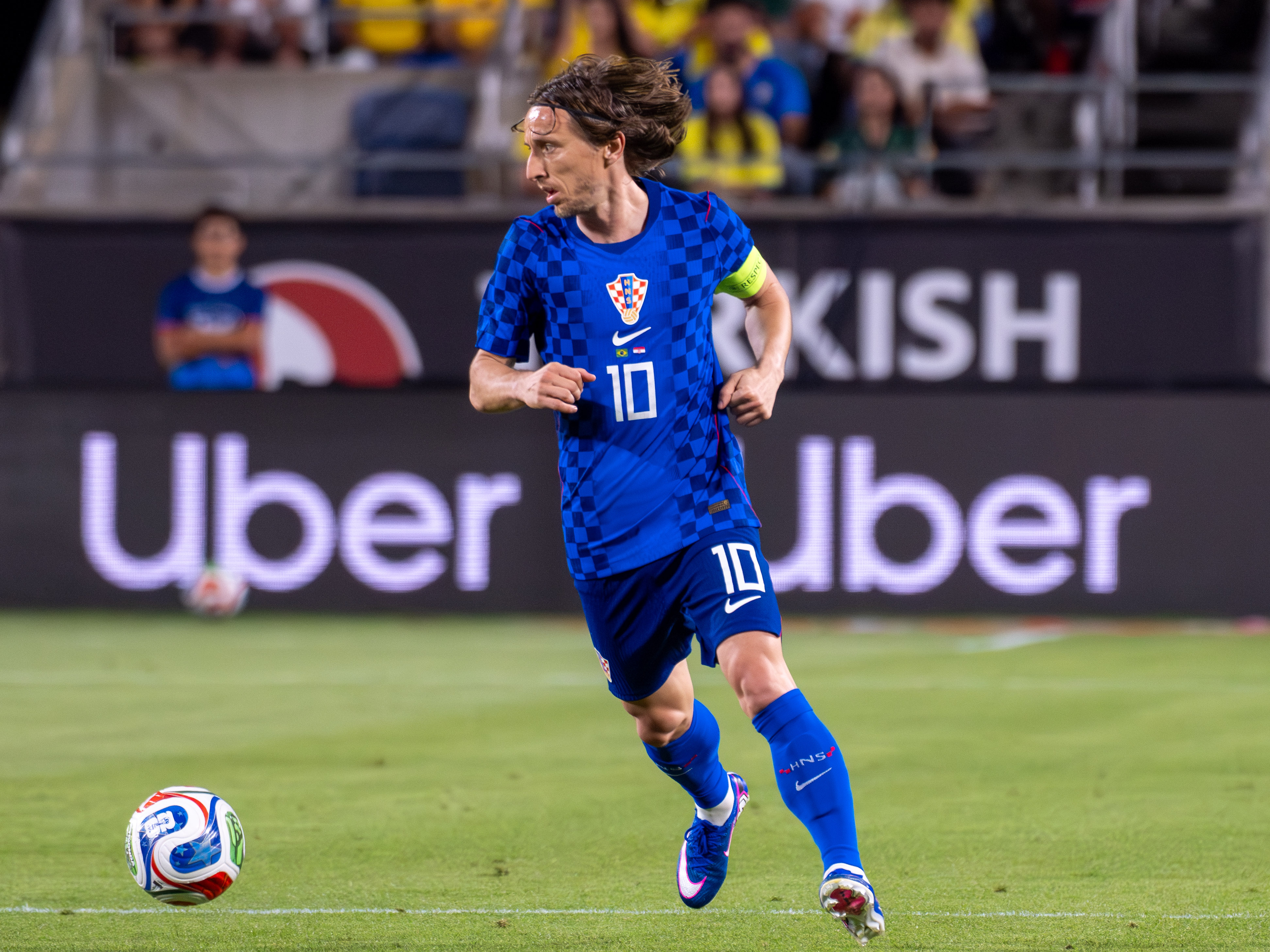
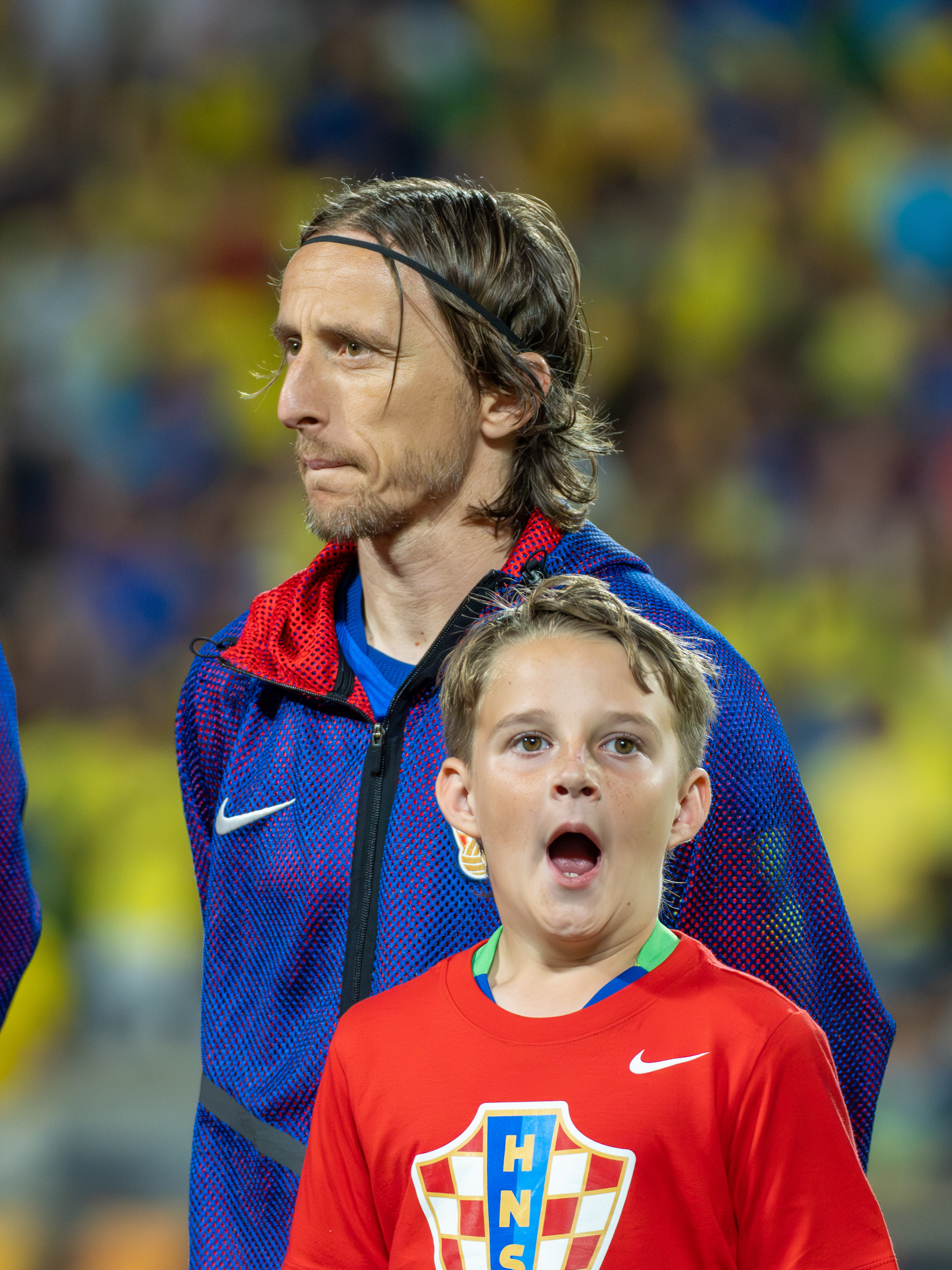
On the other side of the pitch, Luka Modrić was doing what Luka Modrić has done for two decades — making the game look simple. At 40 years old, the Ballon d'Or winner does not beat you with pace or power anymore. He beats you with timing, with angles, with passes that arrive at a teammate's foot a half-second before the defender expects them. He threaded a cross that found Luka Vuskovic, whose header from the center of the box forced Bento into the save of the night — pushed onto the bar or just wide, the kind of intervention that looks routine on the replay but felt enormous in real time. Andrej Kramaric tested Bento from distance too, a left-footed effort from outside the box that the Brazilian goalkeeper handled centrally. Croatia were not here to participate. They were here to compete.
The second half became a substitution chess match. Zlatko Dalić made four changes at the hour mark — Pasalic, Pongracic, Musa and Moro all coming on in what amounted to a tactical reset. Ancelotti responded by pulling Vinícius for Martinelli and Casemiro for Fabinho. The changes reshaped the game entirely. Croatia, with fresh legs and a new midfield structure, began pressing higher and attacking in waves. Brazil, without their most dangerous attacker, looked momentarily uncertain.
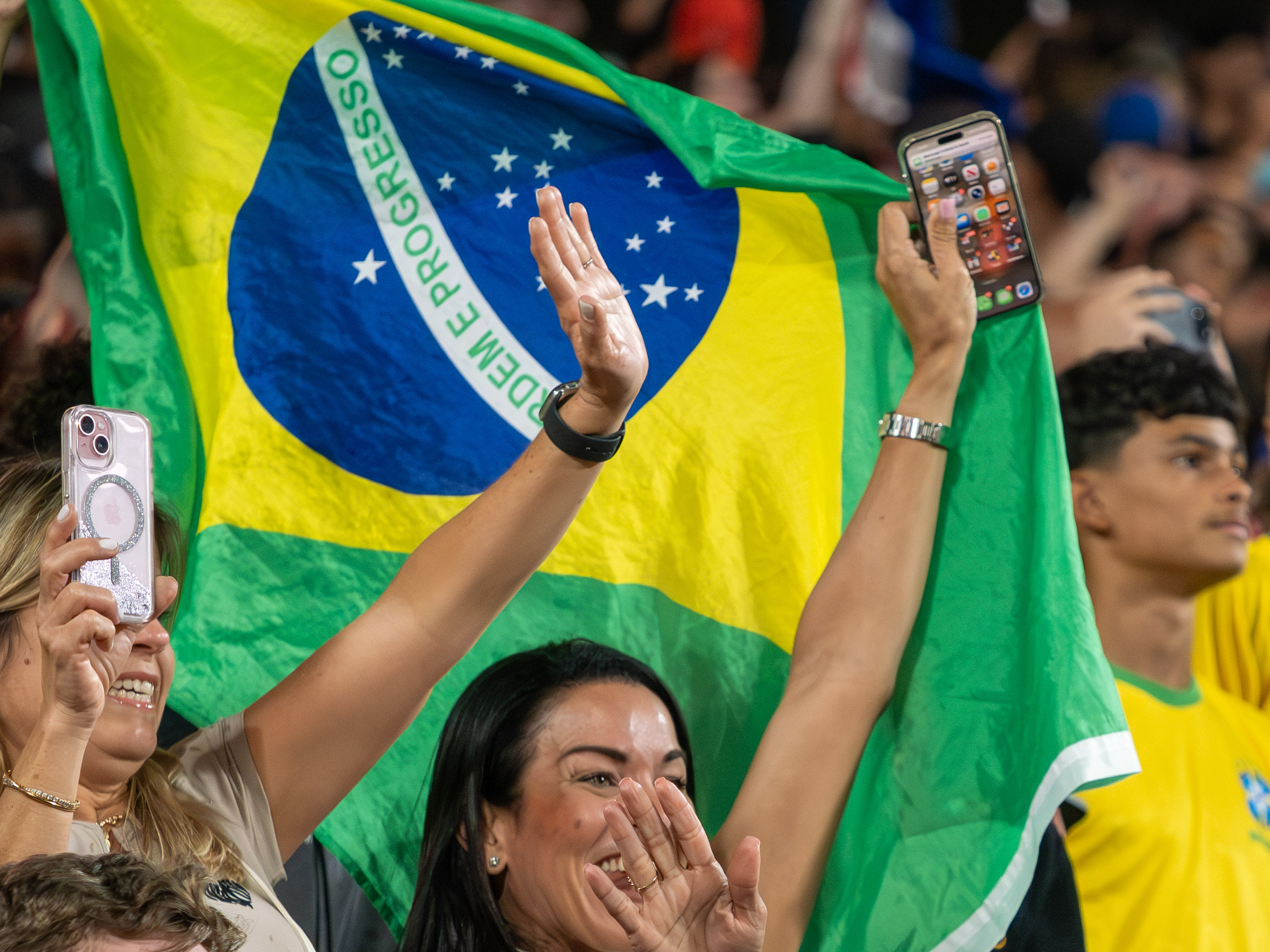
That uncertainty became reality in the 84th minute. Substitute Toni Fruk found Lovro Majer with a slipped pass, and Majer — calm, balanced, technically precise — drilled a left-footed shot from outside the box into the bottom left corner. The Brazilian supporters, who had been doing the wave and chanting for the absent Neymar all evening, went silent. Croatia's bench erupted. The momentum had shifted completely.
What happened next is why Brazil are Brazil. Not the Brazil of jogo bonito mythology, not the Brazil of yellow shirts and samba rhythms that television broadcasts love to romanticize, but the Brazil that has won five World Cups because when the moment demands it, they find a way to finish you off. Thiago's penalty in the 88th minute was not beautiful. It was necessary. Martinelli's goal in stoppage time was not a highlight reel — it was an execution. Endrick's through ball was not the product of some elaborate attacking scheme — it was a teenager seeing space and trusting his instinct. That is what depth looks like. That is what Ancelotti's bench delivered when the starters could not get it done.
The numbers confirmed what anyone inside the stadium already knew: this was not a comfortable night for Brazil. Croatia held 54.6 percent of possession to Brazil's 45.4. Shot attempts were nearly even, 13 to 12. Croatia committed 13 fouls to Brazil's 12, picking up three yellow cards to Brazil's one, and the physical edge ran through the full 90 minutes without ever crossing into recklessness. Livakovic made four saves for Croatia. Bento made two for Brazil. The difference was not who controlled the game — it was who controlled the moments that mattered.
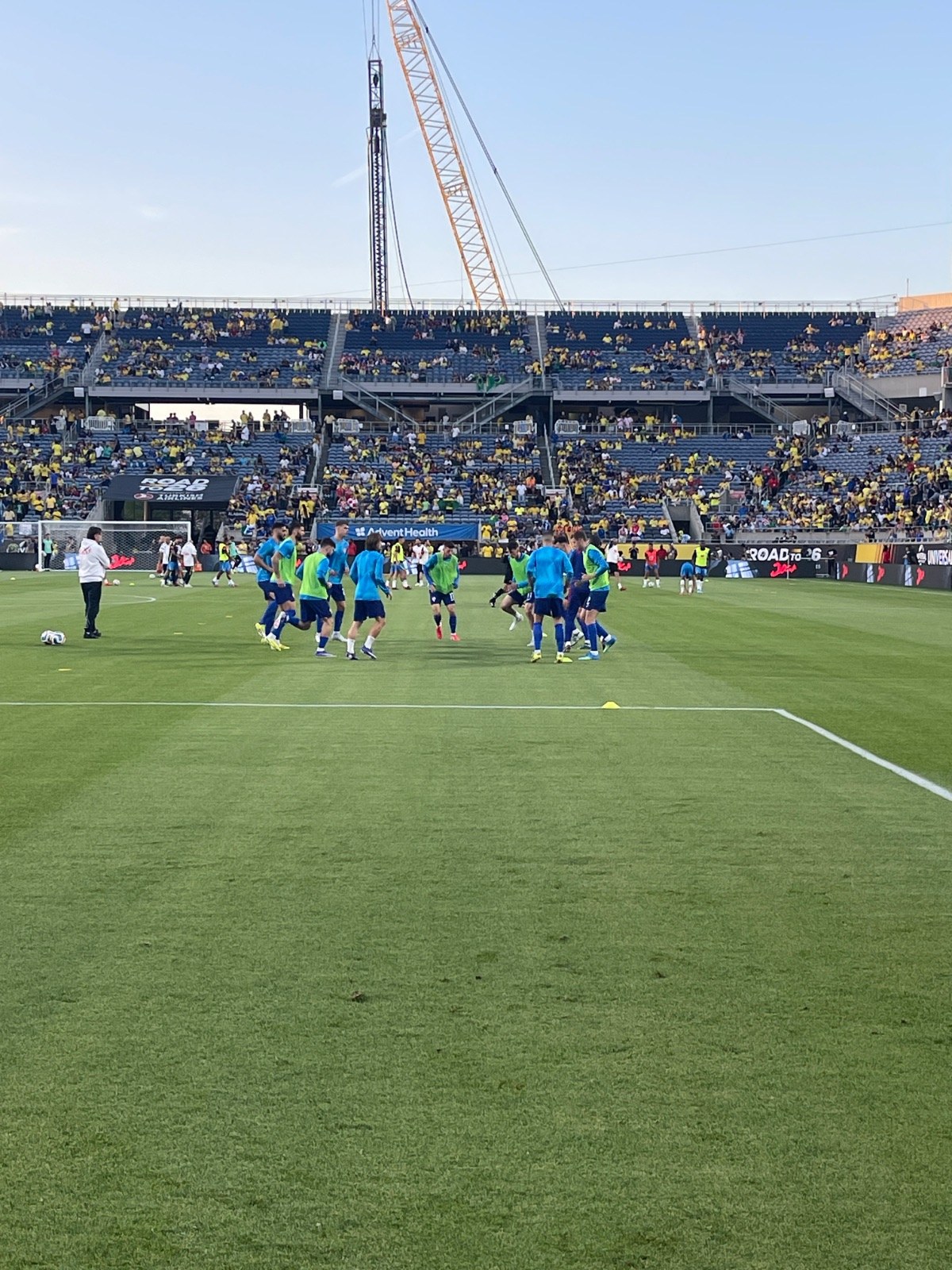
Both teams had spent the week training in the Orlando area. Croatia based themselves at UCF. Brazil worked out at ESPN Wide World of Sports at Walt Disney World. Camping World Stadium, which hosted World Cup matches back in 1994 when it was still the Citrus Bowl, drew another capacity crowd for another international showcase — a nationally televised match on ESPN Deportes that featured two World Cup contenders and enough individual star power to fill a transfer window.
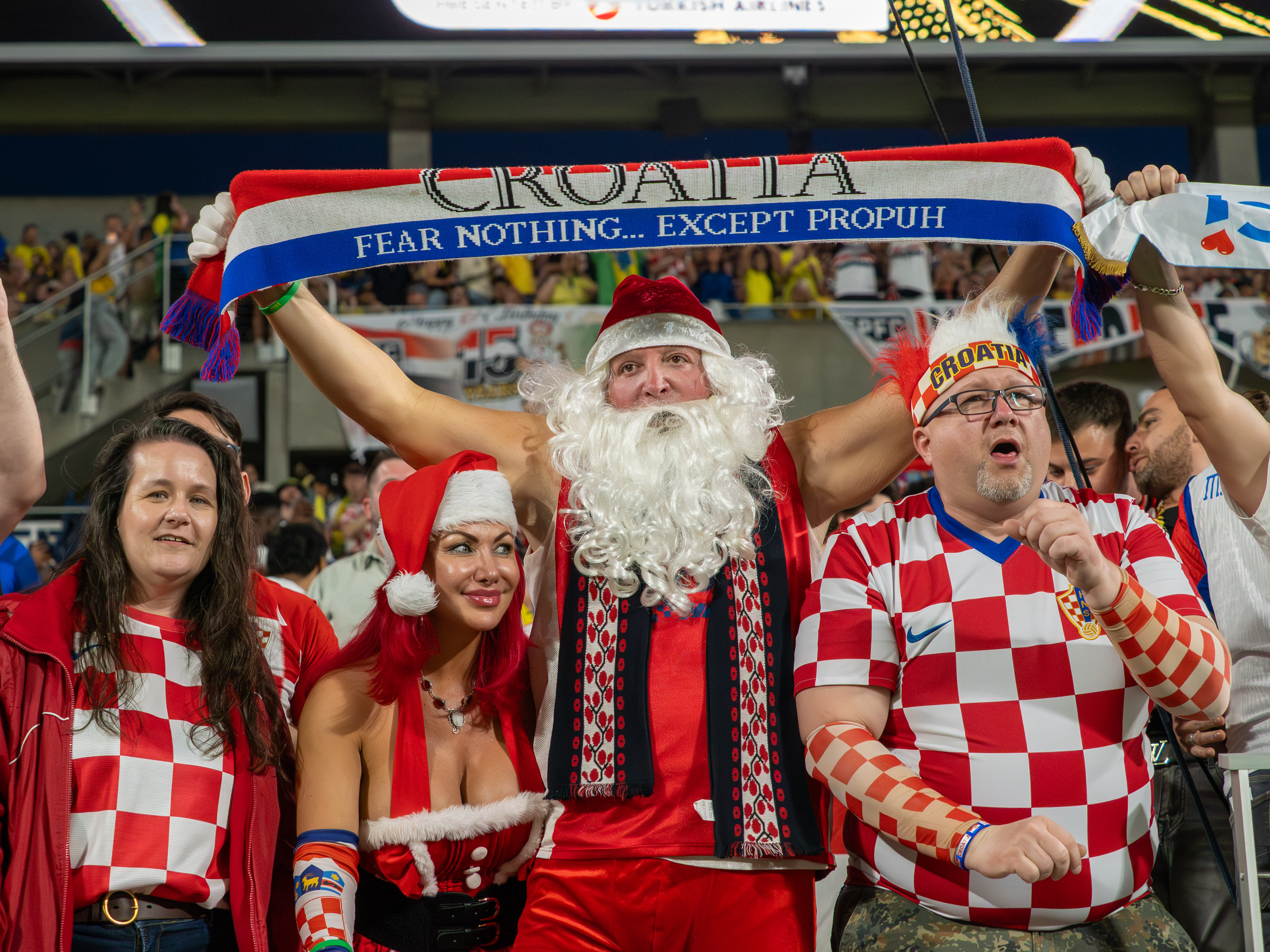
The broader context is impossible to ignore. The 2026 World Cup begins this summer with 48 nations spread across the United States, Mexico and Canada. Miami is the only Florida host city. But Orlando keeps putting on nights like this one — Colombia and Croatia played at Camping World Stadium just five days earlier, with Croatia winning 2-1 in front of a packed house that was overwhelmingly yellow for Colombia. Two matches, two sellouts, two World Cup-caliber atmospheres in the same building in the same week. The facilities are here. The fans are here. The teams keep coming back.
Ancelotti, making his first appearance in Central Florida as Brazil's manager, saw exactly what he needed to see from his squad — not perfection, but resilience. The ability to absorb a punch, reorganize, and finish a game that was slipping away. Whether that translates to the World Cup stage remains to be seen. But on a warm Tuesday night in Orlando, with the wave rolling through the stands and Martinelli wheeling away in celebration, it felt like something worth paying attention to.
Croatia faces England on June 17. Brazil meets Morocco on June 13. The real thing is almost here.